SaaS is (ought to be) dead
Want to connect? Find me on LinkedIn or the Contact page.
The last couple of months my mindset has been shifting. Whenever we/I decide we need a new SaaS product, my first thought is "how quickly can I build this myself?" (myself meaning using coding agents). And more often than not, the answer is "very quickly" and I just do it. I'm sure I'm not the only one doing it - and then the question arises: Exterpolating the improvements in the last year on the agentic coding tools, what happens with many of these products in a year or two?
All of us, both as individuals and companies, have plenty of SaaS subscriptions. In the last decade, the market has heavily shifted to Cloud-based services offering subscription-based pricing.
Depending on the use-case, some of these are hard to replicate. These involve services with large communities - which apart from the technical challenges, are hard to replicate as others need to use them as well. Whether it's your favorite social media platform, messaging app or a streaming service - you can't build these yourself. Others might be much more complex and have a higher entry barrier, like an IDE, LLM provider or a large CRM that's heavily integrated with other services.
But plenty of services can be replicated in an hour or two. Whether it's your note taking app, task management tool, or a simple web application - you can build it yourself in an hour or two. Will it be of same quality as the SaaS product, and contain all the feature (of which most you probably don't need)? No. It's not going to be 'production ready' either, you wouldn't be selling it to others. But for your own use case, it's more than enough.
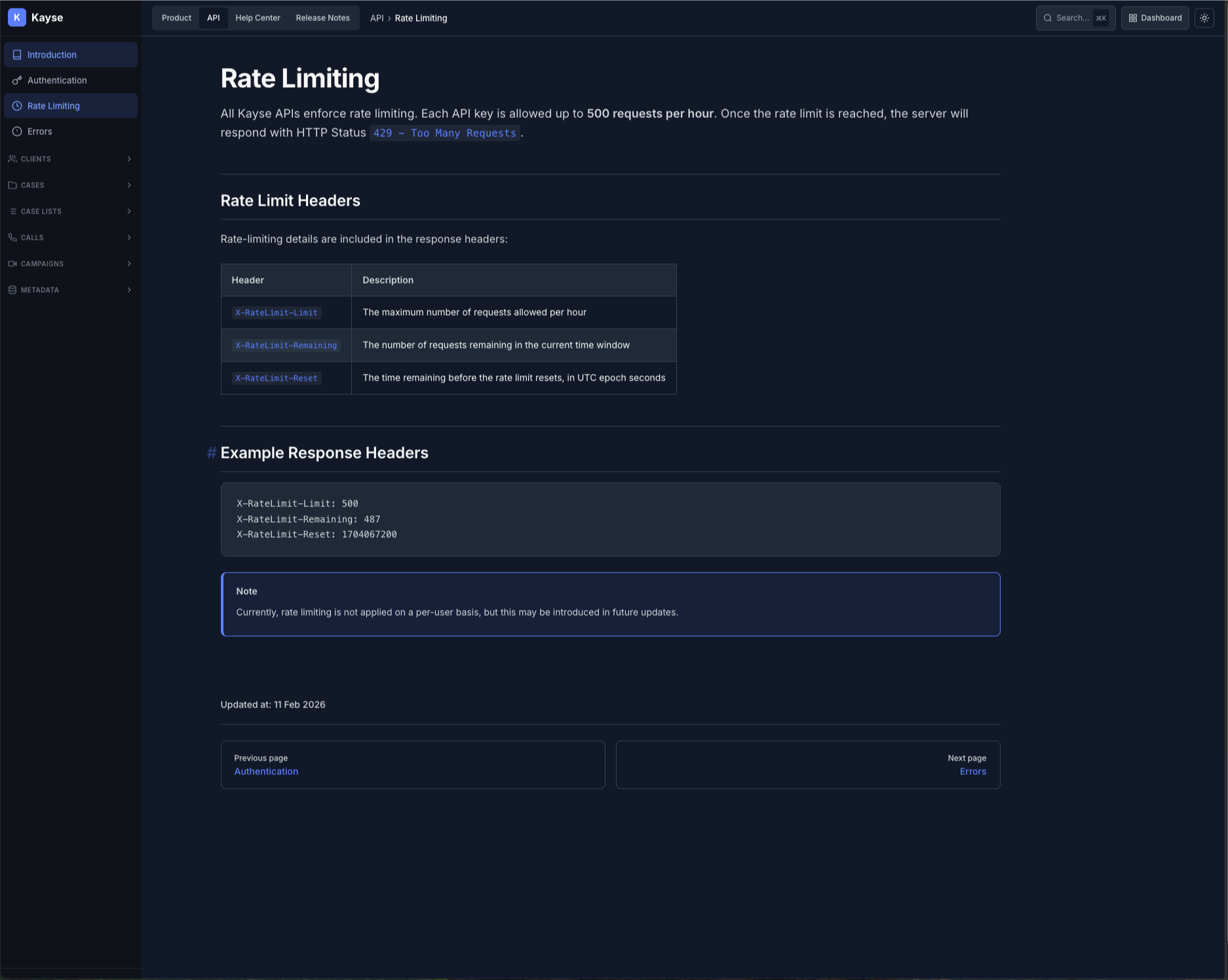
Just the other day at Kayse, we were discussing how our public-facing docs looked dated and needed a refresh. We also wanted to group our documentation, help articles, release notes and public api documentation into a single place. We also wanted it integrated with our release process, so that any changes to the codebase would be reflected in the documentation and release notes. Internally the team discussed GitBook, which I must say looks good and would probably work for us. But instead of going that route, I used Codex and Claude to build a new documentation site for us, where we don't need to sign-up, pay for extra features, users and worry about price increases. Initially it was built with plain HTML/CSS, but I converted it later to VitePress with a custom theme for easier maintenance and content management.
At ByteBuds, we were exploring an HR tool to manage employees (leave requests, time-off, contracts.) and finances. Since we're already subscribed to Zoho for emails, calendar and storage, it was a natural choice to go for Zoho People. They claimed they had everything we needed, and Zoho is known for being relatively cheap - so we gave it a try. Upon activating the product we were overwhelmed with the number of features and settings for those features. Seems like, unless someone onboarded us properly, the product was way too complex for our use-case. And this is a problem of every product thats not tailored to your use-case (enshitification may not be the right term, but its close). They keep adding more and more features to grab more of the market and fullfil the needs of their enterprise customers, making it more and more complex for the average user.
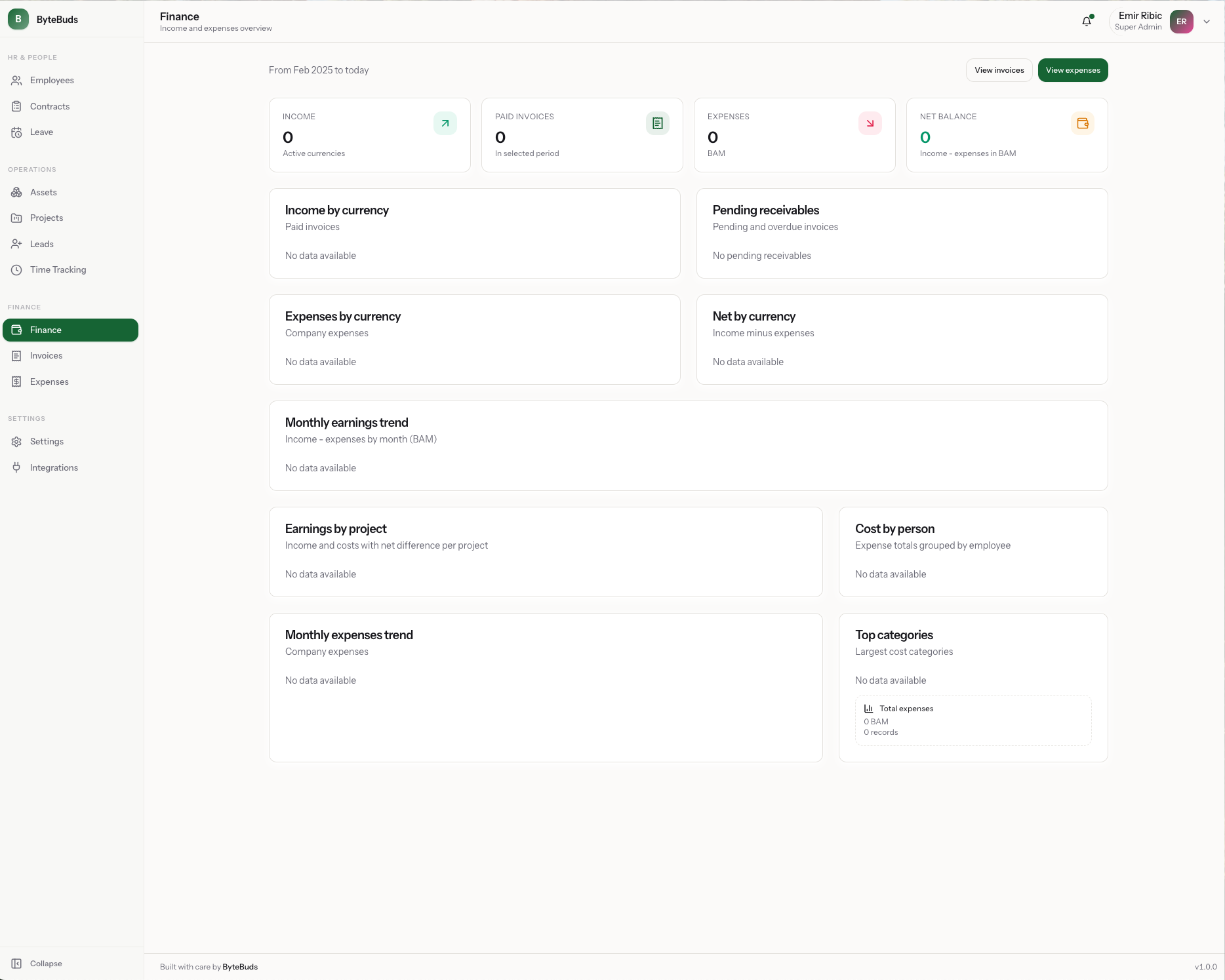
Now with coding agents, you can easily build a tool that does exactly what you need - and drop the subscription at the same time. And given that the LLM Models will only get better with time, the question is - how long will it take for these SaaS products to be obsolete?
It's worth mentioning that even with today's frontier models, the results are not perfect and the pareto principle still applies (you get 80% of the app done in 20% of the time, and the remaining polishing takes the rest of the time). Also you still need to be technical to be able to build the app, deploy it, setup appropriate pipelines and have product building mindset.